 Music
 Education
Mel's Karaoke is a short video where a bee queen dances while a four-line rhyme lights up word by word. The lyrics are always ours, written for the game, and the melody is a tune you probably knew as a kid. Here is how one of these songs is made, what it teaches and how you can study with it.
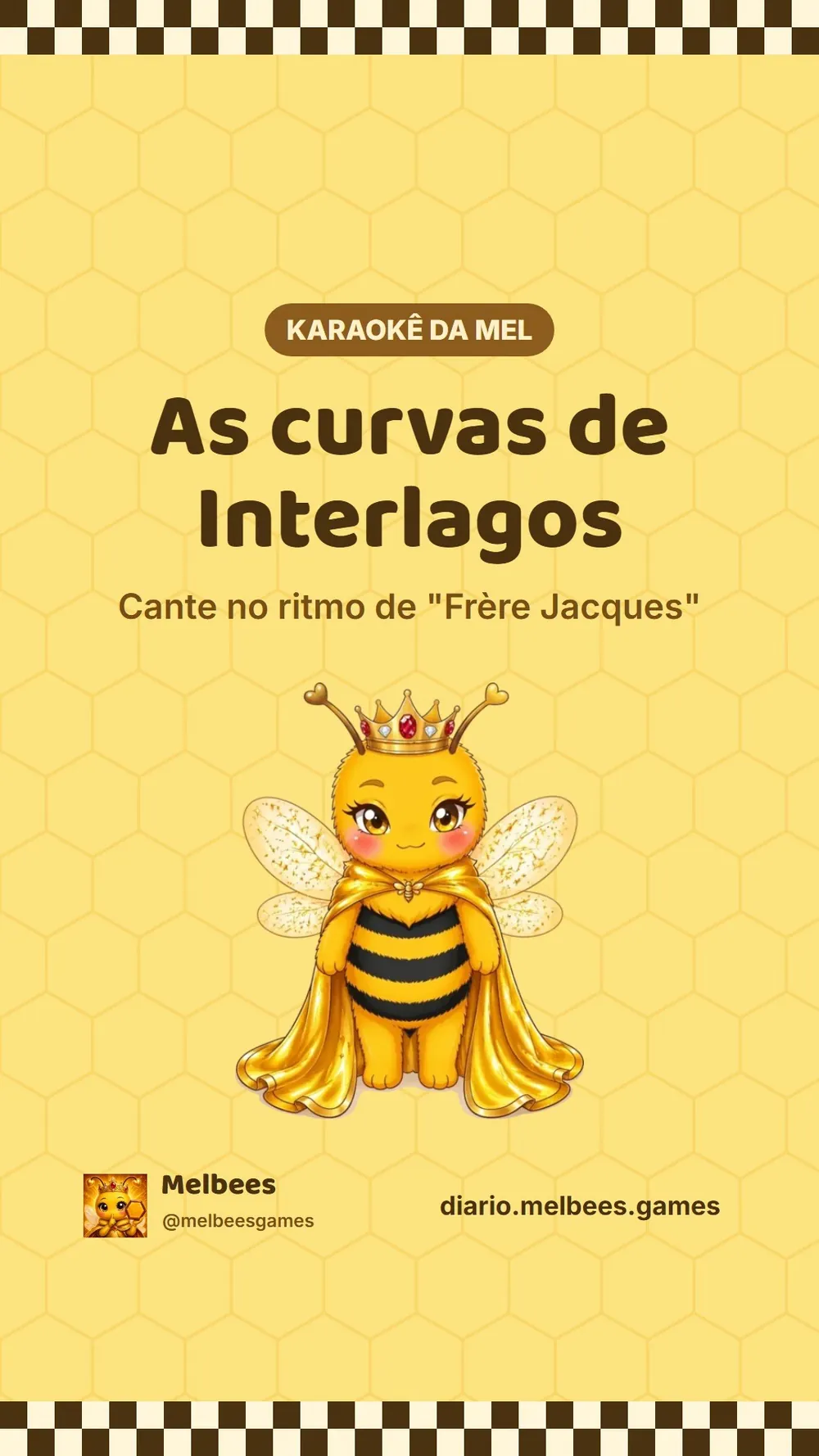

Watch the post’s Short
The video that went out on social media. It only loads when you tap play.
What a Mel's Karaoke teaches
Every song is built around one fun fact or one rule, and every line carries a single piece of information. A Karaoke tied to a date, for example, can tell you what happened on that day in a handful of words. A Karaoke for a school subject packs one rule per line. If a line teaches nothing, it gets cut.
The English versions end with a fill-in-the-blank game. The last line stops before the final word, and the word shows up as hexagons with two letters visible, the same way the Hangman side of our daily game works. You sing along, think about meaning and letter count, and drop your guess in the comments.
Step 1: write the rhyme
We start with a topic and check each fact in at least two sources. Then we write a short rhyme and fit it to the rhythm of the tune: we count syllables, shorten long lines and let two words share one note when needed. English lines are written from scratch, not translated from Portuguese, because rhythm and rhyme do not travel word for word.
Step 2: pick a melody and play it with code
The tunes come from traditional songs with no known author, and each one is checked in two sources before use. The notes are played by a small program of ours, with a marimba and video game sound, so there is no recording of anyone in it. We also try not to repeat a melody: a tune that fits the topic and was not used before keeps the series fresh.
Step 3: build the video in Remotion
The video is made with Remotion, a tool that creates video from code. The program reads the rhyme and the melody and works out the moment each word is sung. That is what produces the karaoke effect: each word turns honey-colored on time. The background, Mel and the footer are always the same, the art comes from our own library, and the final sound is leveled so every network plays it at a similar volume.
What about Mel's voice?
Mel's singing voice is a side experiment. We tried versions where she sings our lyrics, made in Flow Music, a Google music tool, and compared them with the instrumental one. The recipe is simple: send the lyrics exactly as written, pick the best take and trim the repeated part. The words and the idea stay ours.
A fill-in-the-blank example
Here is a rhyme written just for this article:
The bees are buzzing in the hive,
so busy that they stay alive,
and what they make from flowers they find
is sweet and golden: H _ _ _ Y!
What's the word?
HONEY. Five letters, with the first one showing, and the clue is in the line: what bees make from flowers.
How to study with the songs
- Vocabulary: the blank forces you to think about meaning and spelling at the same time, like the daily game does.
- English listening and reading: because each word lights up as it is sung, you connect sound and spelling. Read aloud with Mel and the text.
- Rhythm: stressed syllables fall on the beat, so the song teaches where the stress goes in a word or phrase.
- Short review: a 20 second pass on the bus or between classes is enough to refresh what you learned.
- Make your own: take a tune you know, write four lines about something you are studying and sing it. Writing the rhyme is the best way to learn it.
Do I need to know the melody?
No. The tunes are well known, and the words light up on time to guide you. If you miss a line, rewind and sing it again.
Come and play
After singing, test your words in the game. The Melbees Daily Challenge is free, runs in your browser and mixes Hangman with Minesweeper on a honeycomb. Play it at daily.melbees.games.